- 签证留学 |
- 笔译 |
- 口译
- 求职 |
- 日/韩语 |
- 德语

The patient may be either sitting or lying down as long as the knee is flexed. Briskly tap the patellar tendon just below the patella (Fig. 1). Note contraction of the quadriceps with extension at the knee. Placing your hand on the patient's anterior thigh lets you feel this reflex.
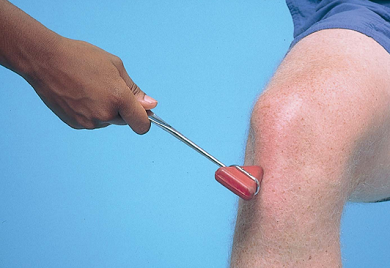
FIGURE 1. Quadricepts (patellar) reflex.
There are two options for examining the supine patient. Supporting both knees at once allows you to assess small differences between quadriceps reflexes by repeatedly testing one reflex and then the other (Fig. 2). If supporting both legs is uncomfortable for you or the patient, you can place your supporting arm under the patient's leg (Fig. 3). Some patients find it easier to relax with this method.
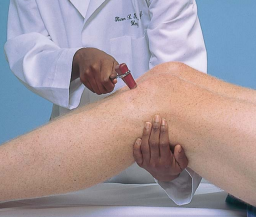
FIGURE 2. Quadriceps reflex—both legs supported.
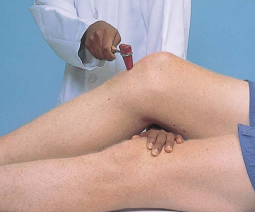
FIGURE 3. Quadriceps reflex—one leg supported.
责任编辑:admin