If pain or diminished pulses suggest arterial insufficiency, consider looking for postural color changes using the Buerger test (although it has not been studied well). Raise both legs to about 90º for up to 2 minutes until there is maximal pallor of the feet. In light-skinned persons, expect to see normal color, as in this right foot (Fig. 1), or slight pallor. In darker-skinned persons, if color changes are difficult to see, inspect the soles of the feet instead, and use tangential lighting to see the veins.
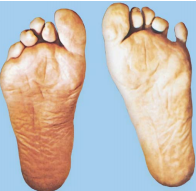
FIGURE 1. The Buerger test—legs elevated.
Then ask the patient to sit up with legs dangling down. Compare both feet, noting the time required for:
■ Return of pinkness to the skin,normally about 10 seconds or less
■ Filling of the veins of the feet and ankles, normally about 15 seconds
This right foot has normal color, and the veins on the foot have filled (Fig. 2). These normal responses suggest an adequate circulation.

FIGURE 2. The Buerger test—legs when sitting.
Look for any unusual rubor (dusky redness) to replace the pallor of the dependent foot. Rubor may take a minute or more to appear.
Normal responses accompanied by diminished arterial pulses point to good collateral circulation around an arterial occlusion.
责任编辑:admin
上一篇:没有了
下一篇:医学文章阅读——Evaluating Arterial Perfusion of the Hand

微信公众号搜索“译员”关注我们,每天为您推送翻译理论和技巧,外语学习及翻译招聘信息。