Formal hearing testing is necessary for accurate detection of hearing deficits in young children. Once the child is old enough to cooperate, use a formal hearing test method. You can grossly test for hearing in very young children by using the whispered voice test. Stand behind the child (so that the child cannot read your lips), cover one of the child's ear canals, and rub the tragus, using a circular motion. Whisper letters, numbers, or a word and have the child repeat it, and then test the other ear. This technique has relatively high sensitivity and specificity compared to formal testing.
The AAP recommends that all children older than 4 years have a full-scale acoustic screening test using standardized equipment (Figs. 1 and 2). Even though a normal hearing screen at birth is reassuring, some hearing loss is acquired as children age and hearing loss can dramatically affect a child's language and development. If you do use an acoustic screening test, be sure to test the entire acoustic range, including the speaking range (500 to 6,000 Hz). The table below shows one classification of hearing ranges.
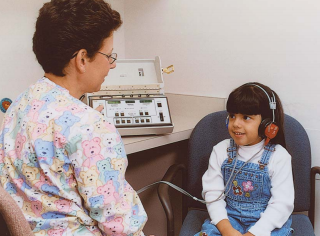
FIGURE 1. Standardized testing equipment provides more precise metrics.
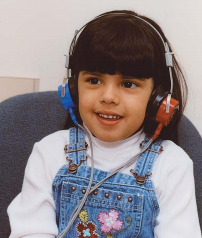
FIGURE 2. Children often enjoy a full-scale acoustic screening test.
Hearing Ranges on Formal Acoustic Screening Tests
Normal hearing 0–20 dB
Mild hearing loss 21–40 dB
Moderate hearing loss 41–60 dB
Severe hearing loss 61–90 dB
Profound hearing loss >90 dB
责任编辑:admin
上一篇:没有了
下一篇:医学英语阅读——Blood Pressure of Children

微信公众号搜索“译员”关注我们,每天为您推送翻译理论和技巧,外语学习及翻译招聘信息。